No cardinality limits
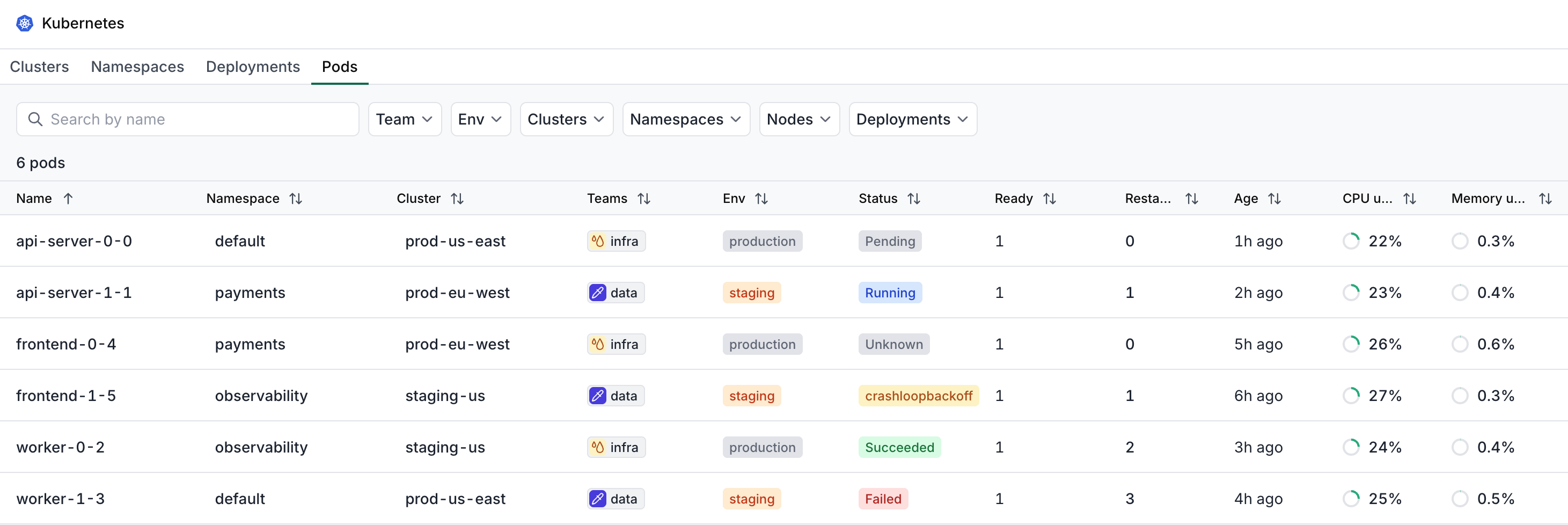
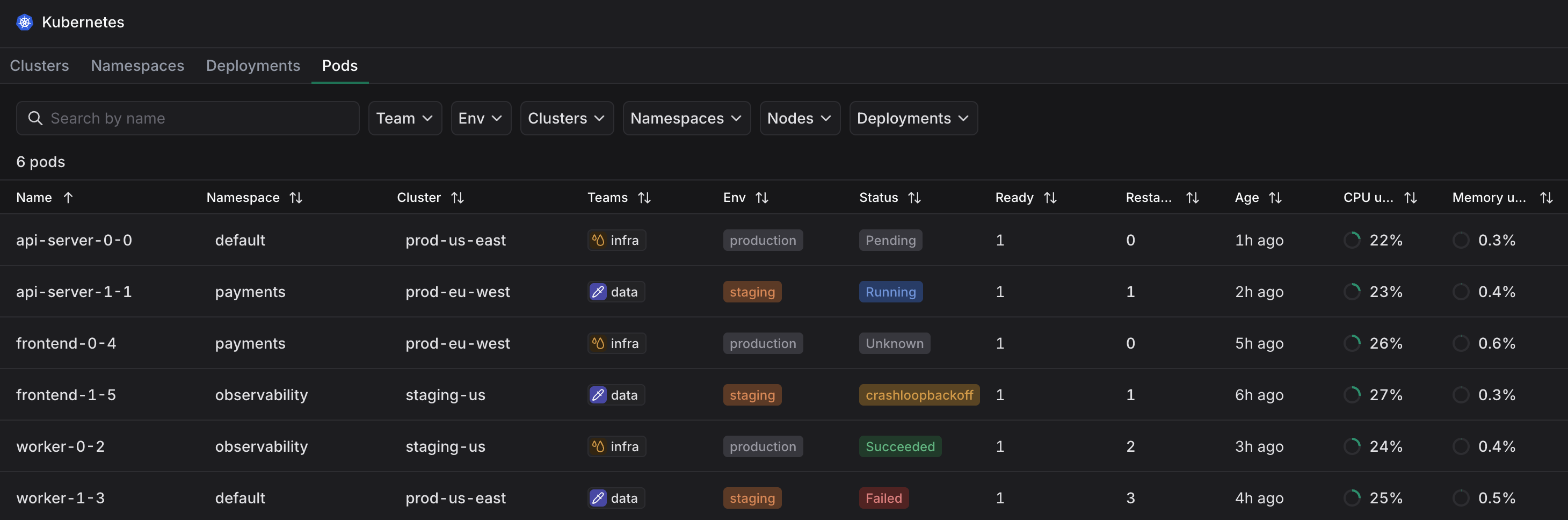
Add as many tags as your systems need. Region, service, version, tenant, deployment - keep all the dimensions that help you explain what's happening.
Metrics should tell you what's happening across your systems. But when pricing punishes you for adding tags, teams start cutting corners - dropping dimensions, avoiding high-cardinality use cases, and losing the context that makes metrics actually useful.
The teams we talk to aren't dropping tags because they want to. They're dropping them because keeping them is too expensive. That's a failure in how these tools are built.
Tsuga has a fix for that.
Teams constrain dimensions upfront, before they know what future incidents will require. Then the incident happens and the context simply isn't there.
How Tsuga helps
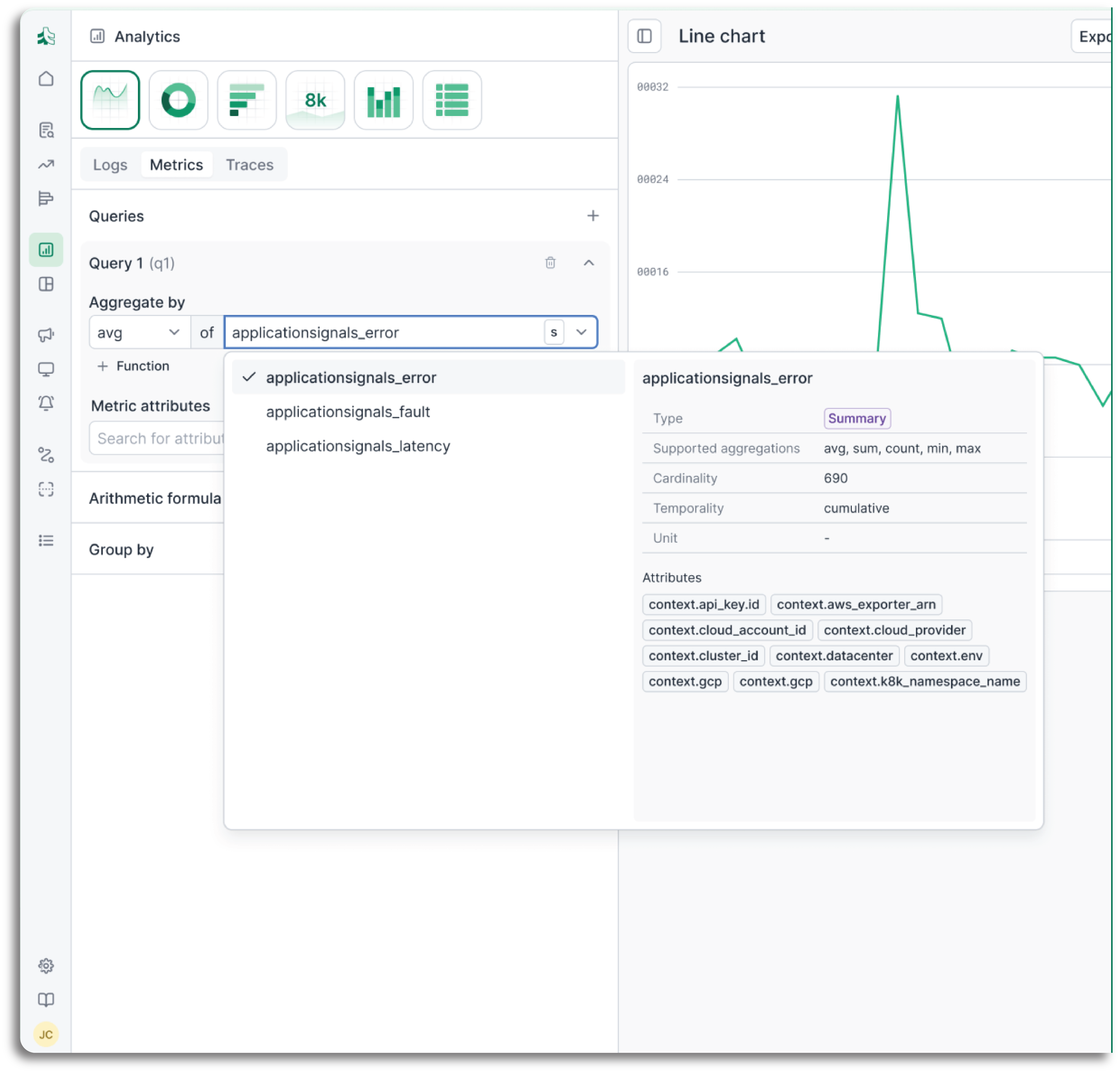
Tsuga has no cardinality limits. Add region, service, version, tenant, deployment - whatever dimensions your systems actually need. The pricing doesn't change.

Tsuga: rich metrics at any cardinality. One price per GB. No tag penalties.
Modern systems are complex. Your metrics platform should help you understand that complexity, not force you to paper over it.
Add as many tags as your systems need. Region, service, version, tenant, deployment - keep all the dimensions that help you explain what's happening.
One price per GB of ingested telemetry. No hidden multipliers. Metrics are also highly compressible, so the economics actually improve at scale.
Built on OpenTelemetry and open collection. You keep using the tools you trust today, and your options stay open for tomorrow.
Go from a metric anomaly to the services and changes behind it in one click. Metrics are the start of the investigation, not the end.
The data plane runs in your environment - important for large Kubernetes estates, multi-tenant platforms, or anywhere data residency matters.
Platform teams, engineering teams, leadership - they all need metrics, but for different reasons. Tsuga brings them into a shared model that works for all of them.